Deep Dive: The Ledger Live Ecosystem
Essential Security Tips for Using Ledger Live Safely
Keeping your crypto safe means following the right practices. This guide covers key steps to protect your assets. We explain how to avoid common threats like phishing and malware. Each tip helps you use Ledger Live with confidence.
Start with the basics. Your hardware wallet is only as secure as your habits. Weak passwords or fake apps can put your funds at risk. Use these Essential Security Tips for Using Ledger Live Safely to build a strong defense.
Below you will find clear advice on PINs, passphrases, updates, and more. Follow each section to reduce your exposure to attacks. A few minutes of setup can save you from losing everything.
Why a Strong PIN Matters More Than You Think
Your Ledger Live PIN is the first line of defense. If someone steals your device, the PIN blocks access. Without it, they cannot move your coins. Choosing a weak PIN invites trouble.
Create a PIN That Is Hard to Guess
Use a mix of numbers that has no personal meaning. Avoid birthdays, years, or simple patterns like 1234. A random 8-digit PIN is far better than a 4-digit one. Remember it, but never write it down near your device.
Change Your PIN Regularly
Set a reminder to update your Ledger Live PIN every few months. If you suspect someone saw it, change it at once. This habit lowers the chance of unauthorized use.
What to Do If You Forget Your PIN
Forgetting your PIN means resetting your device. You will need your recovery phrase to restore access. Keep your phrase safe and offline. Losing both means losing your funds.
Using a Passphrase for Extra Protection

A Ledger Live passphrase adds a second layer of security. It works like a secret word that unlocks a hidden wallet. Even if someone knows your PIN, they cannot access this wallet without the passphrase.
How to Set Up a Passphrase
Open Ledger Live and go to the settings menu. Choose the option to add a BIP39 passphrase. Enter a strong, unique phrase that you will remember. Write it down and store it separately from your recovery phrase.
When to Use a Passphrase
Use a passphrase for large holdings or wallets you rarely use. It is also useful for separating funds from daily spending. Do not use it for every account because you must type it each time.
Risks of Losing Your Passphrase
Losing the passphrase means losing access to that wallet forever. No one can recover it for you. Test your setup by sending a small amount before moving large sums.
How to Spot and Avoid Phishing Attacks
Ledger anti-phishing measures start with your own awareness. Scammers send fake emails, texts, or websites that look like Ledger. They ask for your recovery phrase or PIN. Never share this information with anyone.
Check the Sender and URL
Always verify the email address or website domain. Official Ledger emails come from @ledger.com. Fake sites often use similar names like ledger-secure.com. Bookmark the real site to avoid typos.
Never Click Links in Unsolicited Messages
If you receive a message about a security alert or giveaway, do not click. Open purchase crypto Ledger directly from your own bookmarks. Contact Ledger support only through the official app.
Use a Hardware Wallet to Confirm Transactions
Ledger Live asks you to confirm every transaction on the device itself. If a fake site tries to trick you, the device will show a wrong address. Always verify the address on the screen before signing.
Keeping Your Ledger Live App Free from Malware
Ledger Live malware protection requires a clean operating system. Malware can steal your PIN or modify your screen. Run antivirus scans regularly and avoid downloading unknown files.
Download Only from Official Sources
Get the Ledger Live address book and the app from the official Ledger website. Avoid third-party stores or links from forums. Verify the installer’s digital signature before running it.
Use a Dedicated Device for Crypto
Consider using a separate computer or phone for crypto transactions. This reduces exposure to malware from everyday browsing. A cheap laptop running Linux is a good option. Learn how to install Ledger Live Linux for a secure setup.
Keep Your System Updated
Outdated software has known vulnerabilities. Update Ledger Live regularly to get the latest security patches. Also update your operating system and antivirus software.
Enabling Two-Factor Authentication Everywhere
Ledger Live 2FA adds a second verification step for your accounts. Use it on exchanges, email, and any service connected to your crypto. This prevents attackers from resetting your passwords.
Which 2FA Method Is Best?
Hardware security keys like YubiKey are the strongest option. App-based authenticators (Google Authenticator, Authy) are good backups. SMS-based 2FA is weak and should be avoided.
Link 2FA to Your Ledger Live Account
Go to your account settings on the Ledger Live app. Find the 2FA section and follow the setup steps. Save the backup codes in a safe place, not on your phone.
What Happens If You Lose Your 2FA Device?
Backup codes let you regain access. Store them offline in a secure spot. Without them, you may lose access to your exchange accounts.
Managing Your Recovery Phrase the Right Way
Your recovery phrase is the master key to all your wallets. Never store it digitally, on a phone, or in the cloud. Write it on paper and keep it in a fireproof safe.
Create Multiple Copies
Make two or three paper copies of your 24-word phrase. Store them in different physical locations. Do not use a single point of failure like one safe that could be stolen.
Never Type Your Phrase Online
Scammers often ask for your recovery phrase to “verify” your wallet. Real services never need it. If a website or support agent asks for it, they are phishing.
Use a Metal Backup for Long-Term Safety
Paper can burn or get wet. Metal plates stamped with your phrase survive fire and flood. Buy a dedicated crypto seed storage product for extra peace of mind.
Secure Use of dApps and DeFi Services
Connecting to Ledger Live dApps opens new possibilities but also risks. Only use dApps you have researched. Check the contract address and read reviews before approving transactions.
Review Smart Contract Permissions
Each dApp may ask for permission to spend your tokens. Grant only the minimum amount needed. Revoke permissions after you finish using the service. Use a tool like Revoke.cash to manage approvals.
Use a Separate Wallet for DeFi
Keep your main savings in a wallet that never connects to dApps. Create a separate account for experimental DeFi use. This limits your exposure if a dApp is malicious.
Verify Transactions on Your Ledger Device
Always confirm the amount and address on the hardware screen. Malicious dApps can show fake data on your computer. The device displays the true transaction details.
Connecting Your Nano to Ledger Live Safely
When you connect Nano to Ledger Live, use a USB cable that came with the device. Avoid public charging ports or unknown cables. A compromised cable could inject malware.
Disconnect When Not in Use
Unplug your Nano after each session. Leaving it connected while you browse the web increases risk. A short session is safer than an always-on connection.
Use a Dedicated USB Port
Plug your device directly into your computer, not through a hub. Hubs can introduce signal interference or malicious hardware. Direct connection is more reliable and secure.
Check the Ledger Live App Version
Always use the latest version of the app. Outdated versions may have bugs that affect connection stability. Update Ledger Live before connecting your Nano.
Staking and Earning with Safety in Mind
Staking rewards come with risks. When you stake Solana Ledger, choose a validator with a good reputation. Check their uptime and commission rate before delegating.
Understand Locking Periods
Some staking protocols lock your tokens for a set time. You cannot withdraw during that period. Only stake funds you do not need to access quickly.
Diversify Your Validators
Spread your stake across multiple validators. This reduces the impact of a single validator going offline or being slashed. Use the Ledger Live interface to manage your delegations.
Monitor Your Staking Rewards
Check your staking dashboard regularly. Unusual changes in rewards may indicate a problem. Use the Ledger Live address book to track your staking addresses.
Common Mistakes That Compromise Security
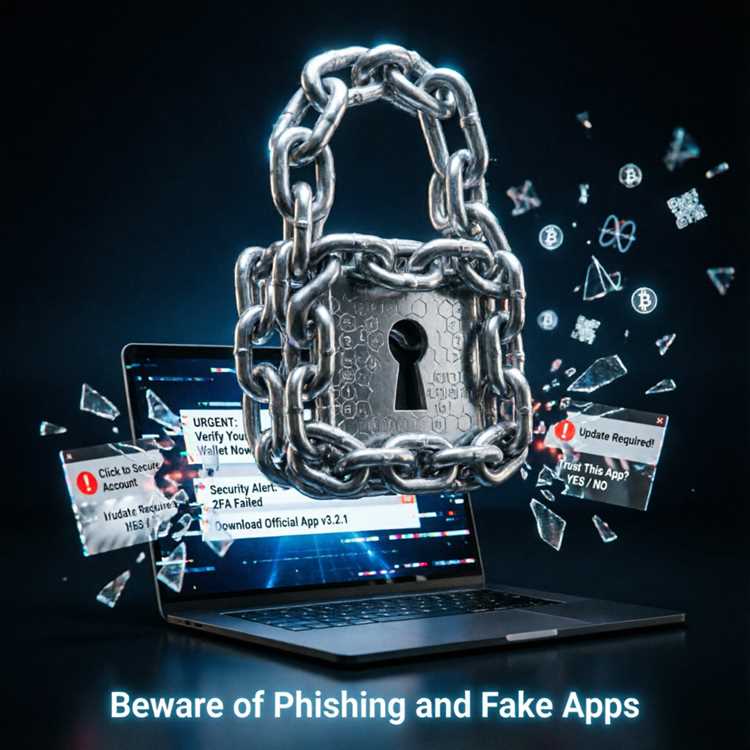
Even experienced users slip up. Avoid these errors to keep your ledger app safe. A single mistake can undo all your precautions.
- Using the same password for multiple accounts.
- Storing your recovery phrase in a photo on your phone.
- Clicking on ads that promise free crypto.
- Ignoring software update notifications.
- Connecting your wallet to unknown websites.
How to Fix a Mistake
If you realize you made an error, act fast. Move your funds to a new wallet with a fresh recovery phrase. Change all passwords and enable 2FA. Report any suspicious activity to Ledger support.
Learn from Others
Read community forums to see how attacks happen. Forewarned is forearmed. Share your own lessons to help others stay safe.
Table: Recommended Security Tools and Their Costs
Below is a comparison of useful accessories and their prices. Each item adds a layer of protection for your Ledger Live setup.
| Item | Price | Compatibility | Use Case |
|---|---|---|---|
| Ledger Nano X | $149 | Ledger Live, all devices | Hardware wallet with Bluetooth |
| Ledger Nano S Plus | $79 | Ledger Live, USB only | Budget hardware wallet |
| YubiKey 5 NFC | $55 | Works with 2FA on exchanges | Hardware security key |
| Cryptosteel Capsule | $60 | Any recovery phrase | Fireproof metal seed storage |
| Billfodl | $99 | Any recovery phrase | Waterproof metal seed storage |
| Ledger Live app (free) | $0 | Windows, Mac, Linux, iOS, Android | Official interface for wallet management |
Frequently Asked Questions About Ledger Live Security
Here are answers to common questions. They cover the most important points from this guide.
What is the most important security tip?
Always keep your recovery phrase offline and never share it. This single rule prevents the most common thefts.
Can I use Ledger Live without a hardware wallet?
Yes, but you lose the highest level of security. A hardware wallet is required for signing transactions safely.
How often should I update Ledger Live?
Update as soon as a new version is released. Check for updates weekly to stay protected.
Is it safe to use Ledger Live on a public computer?
No. Public computers may have keyloggers or malware. Only use Ledger Live on your own trusted devices.
What should I do if I suspect my device is compromised?
Immediately move your funds to a new wallet generated with a fresh recovery phrase. Contact Ledger support for guidance.