
Deep Dive: The Ledger Live Ecosystem
Ledger Suite Secure Your Crypto Assets with Confidence
Ledger Suite Secure Your Crypto Assets with Confidence offers a reliable method for protecting digital currencies. Hardware wallets store private keys offline, away from internet threats. Software wallets remain connected, exposing funds to hacking risks. Choosing a cold storage solution changes how you manage your portfolio.
Many investors lose money through exchange hacks or phishing attacks. A dedicated device removes these dangers by keeping keys in a secure chip. Transactions sign inside the hardware, never exposing secrets to your computer. This approach gives you full control over your assets.
What Makes Hardware Storage Different from Software Wallets?
Online wallets hold private keys on internet-connected devices. Hackers target these systems through malware, fake sites, or server breaches. Hardware wallets isolate keys in a dedicated microcontroller. Signing transactions requires physical confirmation on the device itself.
Security Architecture Differences
Software wallets store seed phrases as files on your hard drive or phone. Malware can read these files without your knowledge. Hardware wallets generate seeds inside the secure element chip. This component resists physical tampering and remote extraction attempts.
User Control Over Private Keys
Exchange wallets give custody to third parties. You rely on their security practices and insurance policies. A hardware wallet returns custody to you. Losing the device requires your recovery phrase to restore access. No single company holds your funds.
Transaction Signing Process
Creating a transaction on a computer sends unsigned data to the device. You review details on the screen. Pressing buttons approves the signature. Private keys never leave the hardware. Signed transactions broadcast from your computer without exposing secrets.
Understanding Core Components of This Security System
Ledger Suite Secure Your Crypto Assets with Confidence combines hardware and software into one ecosystem. The hardware device stores keys. The companion app manages balances and transactions. Together they create a complete management platform.
Hardware Device: The Secure Element
Each device contains a certified secure element chip. This chip meets banking industry standards for protecting sensitive data. It generates and stores private keys internally. Firmware updates add support for new cryptocurrencies over time.
Companion Software: Interface and Management
The ledger live app serves as the main dashboard. It connects to the hardware via USB or Bluetooth. Users check balances, send funds, and manage multiple accounts. The software does not hold keys itself.
Recovery Phrase: Your Ultimate Backup
During initial setup, the device generates a 24 word recovery phrase. Write these words on the provided card. Store them in a safe place like a fireproof safe. Without this phrase, lost devices mean lost funds permanently.
Setting Up Your Device for First Use
Using Ledger Suite Secure Your Crypto Assets with Confidence starts with proper configuration. Follow each step carefully to avoid common mistakes. The process takes about twenty minutes for most users.
- Unbox the device and connect it to your computer using the USB cable
- Visit the official website to download Ledger Live on your desktop
- Install the software and launch the application
- Select "Initialize a new device" from the setup menu
- Follow on screen instructions to choose a PIN code between 4 and 8 digits
- Write down the 24 word recovery phrase shown on the device screen
- Confirm the phrase by entering random words when prompted
- Install cryptocurrency apps through the Manager section of Ledger Live
Choosing a Strong PIN
Select a PIN that others cannot guess easily. Avoid birth dates or simple patterns. Longer PINs provide more security. Your device wipes itself after three wrong attempts.
Installing Cryptocurrency Apps
Each blockchain requires its own app on the device. Memory limits allow around six apps simultaneously. Remove unused apps to free space for new ones. Apps do not affect funds already stored.
Managing Multiple Cryptocurrencies with a Single Interface
One device supports over five thousand different tokens and coins. The companion software organizes them in a single dashboard. Users can view balances for Bitcoin, Ethereum, Solana, and many others.
Adding Accounts for Different Assets
Open the Accounts tab in the ledger wallet interface. Click "Add account" and select the cryptocurrency. The app derives a new public address from your private key. Repeat this process for each asset you own.
Using the Mobile Companion App
Install the mobile version on your phone for checking balances anywhere. Pair via Bluetooth with compatible devices like the Nano X. Sending funds requires confirming the transaction on the hardware. The mobile app offers the same security as desktop.
Buying and Selling Within the App
Partner services allow direct purchases using fiat currency. Access these through the Buy/Sell section in Ledger Live. Crypto arrives in your wallet without leaving the secure ecosystem. Using the Ledger Live crypto purchase feature simplifies acquiring new assets.
How Private Keys Stay Offline and Safe
Private keys never leave the secure chip during normal operation. Transactions sign internally without exposing the key to your computer. This design prevents malware from stealing your credentials.
Offline Generation and Storage
Keys generate inside the device during initialization. The random number generator uses hardware entropy sources. No computer ever sees the seed phrase or derived keys. Storing keys offline eliminates remote attack vectors.
Physical Confirmation for Every Action
Sending funds requires pressing buttons on the device. The screen displays the destination address and amount. You verify these details before approving. Malicious software cannot alter what appears on the hardware screen.
Protection Against Supply Chain Attacks
Devices ship with a tamper evident seal. Boxes include a hologram sticker showing authenticity. Verifying these features before setup ensures genuine hardware. Purchasing directly from the manufacturer reduces tampering risks.
Using the Mobile App for Transactions on the Go
The mobile version mirrors desktop functionality for portable use. Bluetooth connection enables wireless signing with compatible devices. Traveling does not mean sacrificing security.
- Check balances for all supported cryptocurrencies instantly
- Send funds by scanning a QR code from the recipient
- Receive payments by sharing your public address
- Track portfolio value with real time price updates
- Stake supported tokens directly from the app
- Access the Ledger Live NFT gallery to manage digital collectibles
Pairing via Bluetooth
Enable Bluetooth on your phone and the hardware device. Open the mobile app and select "Pair new device". Enter the PIN on the hardware to confirm pairing. Connection stays encrypted during use.
Transaction Limits and Fees
Network fees depend on blockchain congestion, not on the wallet. You set custom fee amounts for faster or slower confirmation. Minimum transaction limits vary by cryptocurrency. Bitcoin requires a minimum of 546 satoshis.
Recovering Access After Losing Your Device
Losing the hardware does not mean losing your funds. Your recovery phrase restores access on any compatible device. Acting quickly prevents unauthorized access.
Step by Step Recovery Process
Obtain a new hardware device. Install Ledger Live and select "Restore from recovery phrase". Enter the 24 words in order using the device buttons. The device reconstructs all private keys from the phrase.
Best Practices for Phrase Storage
Never store your recovery phrase digitally. Avoid photos, cloud storage, or email. Use the provided card or a metal backup device. Split the phrase into two locations for redundancy.
What Happens If Someone Finds Your Phrase
Anyone with the recovery phrase gains full control of your funds. Treat the phrase like the keys to a bank vault. Never enter it into any website or software. Only type it directly into a hardware device during recovery.
Comparing Available Hardware Models for Different Needs
Ledger offers three main devices with varying features. Choosing the right model depends on your usage patterns. All models support Ledger Suite Secure Your Crypto Assets with Confidence.
| Model | Price | Connection | Supported Assets | Best For |
|---|---|---|---|---|
| Nano S Plus | $79 | USB only | 5,500+ | Desktop users starting out |
| Nano X | $149 | USB + Bluetooth | 5,500+ | Mobile users needing portability |
| Stax | $279 | USB + Bluetooth + NFC | 5,500+ | Premium users wanting touch screen |
Nano S Plus: Entry Level Security

This model offers the lowest price point. It connects only via USB cable. The screen shows transaction details clearly. Installing apps requires managing limited memory space.
Nano X: Mobile Friendly Design
Bluetooth support enables wireless pairing with phones. Larger memory holds more apps simultaneously. The rechargeable battery lasts several hours of active use. Travelers prefer this model for daily transactions.
Stax: High End Features
The curved E Ink screen displays NFT art when idle. Touch controls replace physical buttons for signing. NFC allows tapping against phones for quick pairing. This model targets collectors and power users.
Integrating with Decentralized Applications Safely
Connecting your hardware wallet to DeFi platforms requires caution. The secure crypto wallet app acts as a bridge to these services. Smart contract interactions never expose your private keys.
Connecting to Web3 Wallets
Use the Ledger Live desktop app to open a connected browser. Navigate to a DeFi platform like Uniswap or OpenSea. Approve the connection request on your hardware device. Transactions still require physical confirmation.
Risks of Smart Contract Approvals
Approving large token allowances gives contracts access to your funds. Set spending limits to the minimum needed for each interaction. Revoke unused approvals through the ledger app interface. Check contract addresses carefully before signing.
Using Bitcoin Wallets Alongside DeFi
Bitcoin does not support smart contracts natively. Store BTC using the Bitcoin wallet app for basic transactions. Use wrapped Bitcoin on Ethereum for DeFi participation. Hardware wallets secure both Bitcoin and tokens separately.
Frequently Asked Questions About Crypto Storage Security
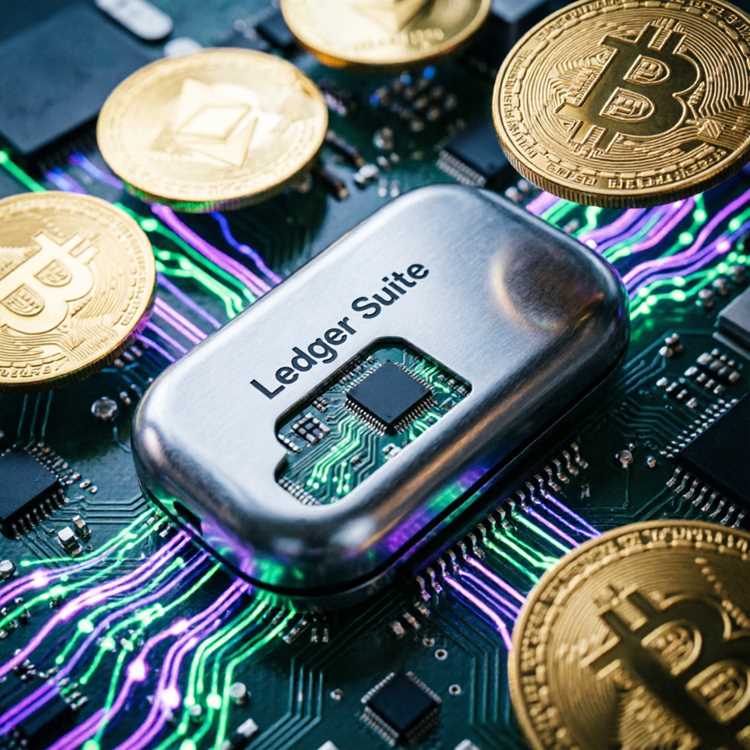
New users often have concerns about hardware wallet safety. Below are answers to common questions. Each response addresses a specific security aspect.
Can Someone Hack a Hardware Wallet Remotely?
Remote hacking requires an internet connection to the device. Hardware wallets stay offline unless connected to a computer. Malware cannot access keys without physical access. Proper use makes remote attacks impossible.
What Happens If the Company Goes Out of Business?
Your funds depend on the recovery phrase, not the company. Any BIP39 compatible wallet can restore your seed. Open source firmware allows community development. Business closure does not lock your assets.
How Often Should I Update the Firmware?
Update firmware when new versions release for security patches. Check for updates through the Ledger Live manager. Install updates directly on the device. Outdated firmware may miss critical vulnerability fixes.
Is Bluetooth Safe for Signing Transactions?
Bluetooth connections use encryption between device and phone. Transaction details appear on the hardware screen before signing. The protocol prevents interception of signing data. Many users trust Bluetooth for convenience without added risk.