Deep Dive: The Ledger Live Ecosystem
Why Regular Updates Matter for Your Crypto Wallet
Keeping Your Ledger Live App Updated for Maximum Security starts with understanding why updates are nonnegotiable. Each new version fixes known bugs and closes security gaps. Hackers constantly look for old software flaws. Running an outdated app leaves your coins exposed. Updates also bring performance improvements and new coin support. Missing just one update can mean losing access to a key feature. Think of it as a routine health check for your wallet. Without it, you risk preventable losses.
Risks of Skipping Updates
Old versions lack the latest defenses. Cybercriminals often target users who ignore notifications. They exploit vulnerabilities that developers already fixed. A single delay can compromise your entire portfolio. Remember that your assets rely on both the app and the device. Failing to update either creates a weak link.
Benefits of Staying Current
Recent releases include Ledger Live NFT support and faster transaction processing. You also get better integration with DeFi platforms. Using the latest version lets you send crypto Ledger smoothly. Each update refines the user interface and adds new tokens. Staying current ensures you never miss a critical security patch.
How to Check Your Ledger Live Version
Knowing your current version helps you decide when to update Ledger Live. The process takes only a few seconds. Open the app and look for the settings menu. Your software version appears at the bottom of the screen. For the mobile app, check the account page. This simple step prevents confusion about what you are running.
Finding Your Software Version
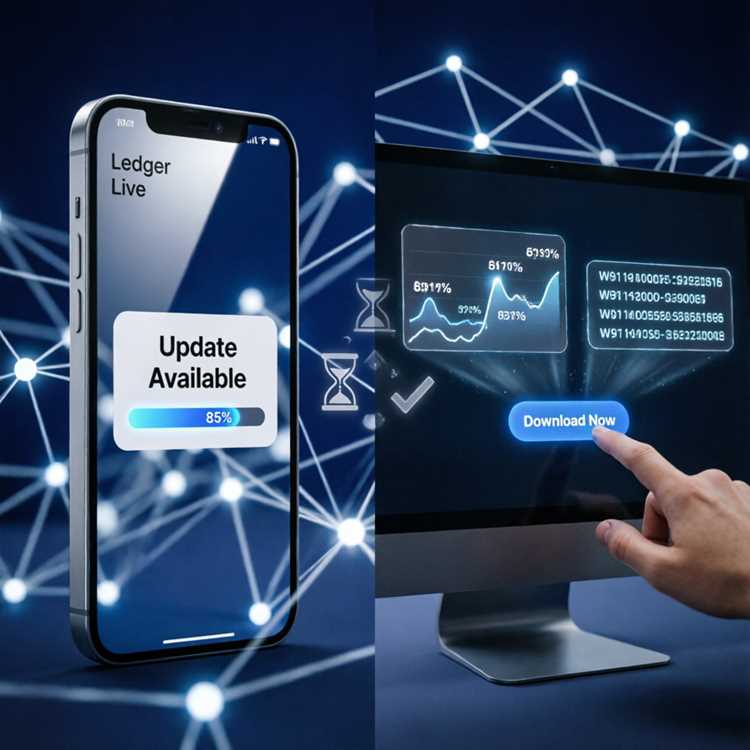
On desktop, click the gear icon in the top right corner. Scroll down to the “About” section. You will see the version number, like 2.50.0. On mobile, tap the profile icon and select “About.” Write down the number if you need to compare with release notes.
Verifying Firmware Version
Your Ledger device also has firmware that needs updates. Connect the device and open the Manager app in Ledger Live. The firmware version is listed next to the device name. Always keep both the app and the firmware current. A mismatch can cause errors during transactions.
What the Latest Ledger Live Version Offers
Each new Ledger Live version includes improvements you can use right away. The latest Ledger Live update adds support for new blockchains. It also reduces app load time by 20 percent. Users get a cleaner interface with better navigation. Security patches address recent vulnerabilities found in the wild. Below are the key features from the most recent release.
New Features in Recent Releases
- Support for Solana and Polygon transactions
- Improved Ledger Live mobile swap functionality
- Faster sync times for large portfolios
- Enhanced staking options for Ethereum and Tezos
- Direct connect MetaMask to Ledger integration
Security Patches Explained
Patches fix specific bugs that could let attackers drain funds. For example, version 2.49.0 closed a vulnerability in the transaction signing process. Another patch stopped a phishing attempt through fake update prompts. Always read the release notes to see what was fixed. This knowledge helps you understand the importance of each update.
Steps to Update Ledger Live Firmware
Updating the firmware protects the hardware side of your wallet. Follow these steps to update Ledger Live firmware correctly. Do not unplug the device during the process. A power loss can corrupt the firmware. Use a stable internet connection to avoid interruptions. The entire update takes about 5 to 10 minutes.
- Open Ledger Live and connect your device.
- Enter your device PIN to unlock it.
- Go to the “Manager” tab in the app.
- Check for available firmware updates.
- Click “Install” and confirm on the device.
- Wait for the progress bar to reach 100 percent.
- Disconnect and reconnect the device to verify.
Updating the Desktop App
Desktop updates usually happen through a notification. Click “Update Now” when prompted. The app will download the new version in the background. After installation, restart the app. Your settings and accounts remain intact. No need to reinstall from scratch.
Updating the Mobile App
Mobile updates come from your app store. For iOS, go to the App Store and search for Ledger Live. Tap “Update” if available. For Android, open the Google Play Store and find the app. Tap “Update” to install the latest version. The mobile app automatically syncs with your accounts after the update.
Enhancing Security Through App Updates
Regular updates are your first line of defense. They close loopholes that could expose your private keys. Using an update crypto wallet app approach reduces risk significantly. Each release includes audits from third-party security firms. These audits confirm that the code is safe. Trusting outdated software undermines all your security efforts.
Protecting Against Vulnerabilities
Hackers often target known vulnerabilities in older versions. They scan for users who have not patched. A single unpatched bug can lead to asset theft. Updates also fix issues with third-party integrations. For example, a recent patch fixed a flaw in the Ledger Live multi-account feature. This kept user funds safe during cross-chain swaps.
Best Practices for Safe Updates
- Always download updates from official sources only.
- Verify the download link is the genuine Ledger website.
- Never use third-party update tools or links.
- Check the release notes for known issues.
- Back up your recovery phrase before major updates.
Understanding Ledger Live Release Notes
Release notes detail what changed in each version. Reading them helps you decide how urgent an update is. Ledger Live release notes usually list new features, bug fixes, and security patches. They also mention any breaking changes. For example, version 2.48.0 removed support for older Windows builds. Knowing this prevents surprises after updating.
Reading Release Notes
Open the release notes page on the Ledger website. Look for the version number that matches your current one. Compare the new version with your own. Focus on the security section first. Note any changes that affect your workflow. This habit keeps you informed and ready.
Key Terms to Know
Terms like “patch,” “hotfix,” and “minor release” appear often. A patch addresses a single issue. A hotfix is an urgent fix for a critical bug. A minor release adds small features and improvements. Major releases introduce new functionality or redesigns. Understanding these terms helps you prioritize updates.
Setting Up Automatic Updates Ledger
Automation removes the need to remember manual checks. You can enable automatic updates Ledger for the desktop app. This setting ensures you always run the latest version. Go to settings and turn on “Auto-update.” The app will download and install updates in the background. You will only need to restart the app occasionally.
Enabling Auto-Update
On desktop, navigate to Settings > General. Look for the “Automatic updates” toggle. Switch it on. Your app will now check for updates daily. When a new version is available, it downloads automatically. You will see a notification to restart. Mobile apps update through the store settings instead.
Manual Check for Updates
Even with auto-update, a manual check is wise. Sometimes the auto-check fails due to network issues. Go to Settings > About and click “Check for updates.” If a new version is found, follow the prompts. This double-check ensures you never fall behind. Doing it once a week is enough.
Preparing for a Ledger Live Upgrade
A major Ledger Live upgrade may require more preparation. Before starting, ensure your recovery phrase is accessible. Write it down on paper and store it safely. Do not keep it on a digital device. Also check that your device has enough battery. A power loss during the upgrade can cause issues. Below is a quick checklist.
| Item | Purpose | Action |
|---|---|---|
| Recovery phrase | Restore access if upgrade fails | Written and stored offline |
| Device battery | Prevent power loss during update | Charge to at least 50 percent |
| Internet connection | Download the upgrade files | Use a stable Wi-Fi or Ethernet |
| Backup of accounts | Keep transaction history | Export a CSV file from Ledger Live |
Backing Up Your Recovery Phrase
Your recovery phrase is the master key to your wallet. Never share it with anyone. During a major upgrade, the app may ask for it. Having it ready avoids panic. Store it in a fireproof safe or a safety deposit box. Do not take a photo of it.
Ensuring Device Compatibility
Not all devices support every update. Check the release notes for compatibility. For example, older Nano S models may not support new features. If your device is too old, consider upgrading hardware. You can use the ledger wallet page to see current models. This ensures you get all security benefits.
Common Issues After Updating
Sometimes updates cause unexpected problems. The most common issue is a connection error. If you see a “device not recognized” message, try a different USB port. Restart both the app and the device. Another issue is a stalled update progress bar. Wait a few minutes before troubleshooting. Most problems resolve with a simple restart.
Connection Problems
If your computer does not see the device, check the cable. Use the original cable that came with the Ledger. Try a different port on your computer. For mobile, ensure Bluetooth is on and the device is close. If the issue persists, reinstall the app. For more help, see Ledger Live device not recognized guide.
Update Failures
An update may fail if the download is interrupted. Check your internet connection first. Then restart the app and try again. If the firmware update fails, reset the device and retry. Do not panic if the screen goes blank. This is normal during a firmware update. Wait for the process to finish.
FAQ: Keeping Your Ledger Live App Updated for Maximum Security
How often should I update Ledger Live?
Check for updates at least once a month. Enable automatic updates to stay current without effort.
Can I use Ledger Live without updating?
Yes, but you risk security vulnerabilities. Old versions lose support for new coins and features.
Will updating delete my accounts?
No. Your accounts and transaction history remain intact. Updates only change the app code.
What if I lose my device during an update?
Use your recovery phrase to restore your wallet on a new device. The phrase is your safety net.
Do I need to update both app and firmware?
Yes. The app handles the interface, while the firmware secures signing. Both need regular updates.
How do I know if an update is fake?
Only download from the official Ledger website or app stores. Fake updates often ask for your recovery phrase. Real updates never do.