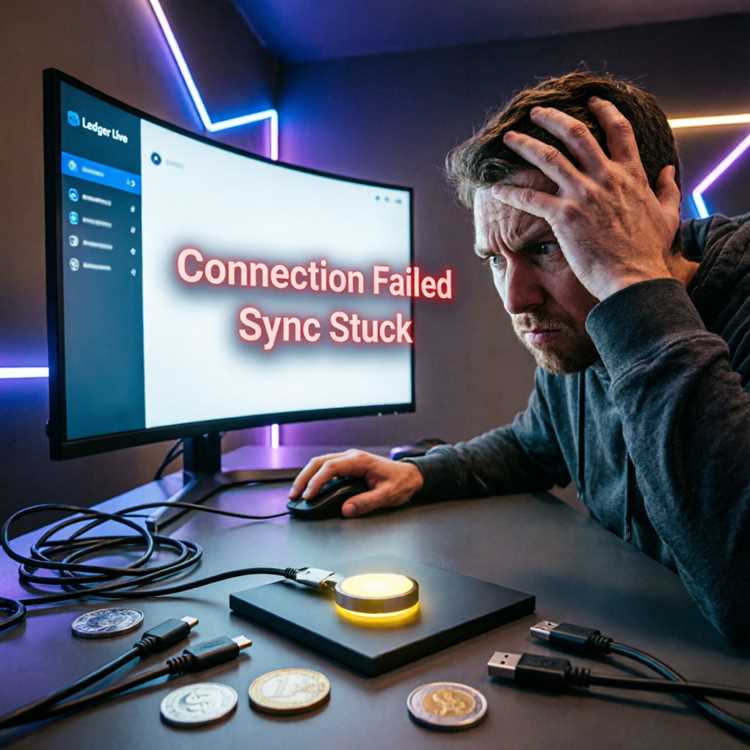
Deep Dive: The Ledger Live Ecosystem
Why does your Ledger Live app stop working all of a sudden?
Experiencing a sudden freeze can be alarming. Your crypto portfolio depends on this software. Many users report Troubleshooting Common Ledger Live Issues Fast Fix needs begin with a simple restart. Device conflicts or cache problems often cause the crash. Force closing the app and rebooting your computer resolves most cases. For mobile users, checking the Ledger Live mobile version ensures compatibility. Older builds lack essential bug patches. Always verify your operating system meets current requirements. Windows, macOS, and Linux each have specific build needs. Missing these updates leads to instability. Starting fresh with a reinstall clears corrupted data. Do not skip backing up your recovery phrase first. This prevents unnecessary stress later.
Clearing the cache for fast Ledger Live bug fix results
Corrupted cache files mimic serious hardware failures. Deleting this temporary data often resolves weird behavior. Navigate to settings and choose the clear cache option. This action removes outdated transaction histories. Your balance stays safe because blockchain data refreshes. A quick Ledger Live bug fix involves this simple step. Closing all other wallet apps prevents interference. Running the program as an administrator grants needed permissions. Mac users should check their security settings too. Stale cache files slow down sync times noticeably. Doing this monthly keeps performance high.
Step by step cache clearing process
Open Ledger Live and click on Settings. Find the Help or About section. Select the Reset or Clear Cache button. Confirm your choice in the pop up window. Restart the application completely afterwards. Verify your portfolio loads without errors. This takes less than two minutes normally. Repeat this if problems persist after updates.
Cache related error codes explained
Error 258 or 260 usually means corrupted data. Cache overflow causes Error 301 frequently. These codes point to storage issues. Following the clearing steps above eliminates them. Do not ignore these warnings for long. Accumulated junk data can block new transactions permanently. Regular maintenance keeps your crypto holdings Ledger accessible.
Fixing Ledger Live not working due to outdated software
Running an older version stops normal operations. The app may crash on launch or during sync. Checking for updates manually helps immediately. Go to the settings menu and select the update option. A Ledger Live not working scenario often links to missed patches. Enable automatic updates Ledger in preferences to avoid this. This ensures you always have the latest fixes. Beta versions can also cause instability. Stick to stable releases for daily use. Developers release major updates every few weeks. Skipping these invites bugs and security gaps.
How to update the desktop application
Open Ledger Live and navigate to Settings. Click on the About tab. Choose Check for Updates. Download the offered package immediately. Install the update without closing other programs. Restart the app once installation finishes. Verify your device connects properly. This process fixes most sync errors instantly.
Updating firmware on your hardware wallet
Connect your device to the computer. Open the Manager section in Ledger Live. Find your device model in the list. Click on the Update button next to the firmware. Keep the device connected throughout the process. Do not unplug the cable during the update. Failed firmware updates require recovery mode. Use the Ledger recovery tool for bricked devices. This rare issue needs patient handling.
Resolving Ledger Live connection issues with USB cables
Faulty cables cause Ledger Live connection issues frequently. The app may show a blinking device icon. Your computer might not detect the wallet at all. Using the original cable included with the device is best. Third party cables lack proper data transfer capabilities. Charging cables without data lines fail completely. Test different USB ports on your computer. Front ports sometimes deliver unstable power. Rear ports on desktop PCs work better. Try a USB hub with its own power supply for stubborn cases.
Testing cable functionality quickly
Use the cable to charge another device. If it charges but does not transfer data, replace it. Borrow a friends known working cable. Connect your Ledger to another computer. If it works there, your cable or port is the problem. Purchase a replacement from the official store. Generic cables might damage the device port. Stick to certified accessories for safety.
Port and driver troubleshooting steps
Open your system device manager. Look for unknown devices with yellow marks. Right click and update the driver automatically. Reboot your computer after driver changes. Try a different USB standard port like USB 2.0. Some Ledger models have compatibility issues with USB 3.0. Changing the port resolves the detection problem. Disable any VPN software temporarily for testing.
Managing Ledger Live sync error after network changes
Switching Wi Fi networks often triggers a Ledger Live sync error. The app tries to connect using old network settings. This causes stalled balance updates and failed transactions. Restarting the router clears most network conflicts. Disabling and re enabling the Wi Fi adapter helps too. Using a wired Ethernet connection provides better stability. Some firewalls block Ledger Live traffic accidentally. Adding an exception in your firewall fixes the sync problem. Corporate networks with strict proxies may need special configuration. Contacting your IT department for port access is needed.
Network proxy configuration for the app
Open Ledger Live settings and go to the Network tab. Enable the custom proxy option. Enter your proxy server address manually. Use the port number provided by your network admin. Test the connection by refreshing your portfolio. Saved settings apply to all future sessions. Remove proxy settings when returning to a home network. This prevents unnecessary connection delays.
DNS cache flushing method
Open your command prompt as an administrator. Type ipconfig /flushdns and press Enter. Wait for the confirmation message to appear. Restart Ledger Live and check the sync status. This clears old IP addresses causing conflicts. Do this after major network configuration changes. It takes only a few seconds to execute.
Preventing Ledger Live frozen during heavy usage
Opening many sub accounts at once can freeze the app. Your computer may run out of memory resources. Closing unused tabs and applications frees up space. A Ledger Live frozen state often results from low RAM. Upgrading your system memory improves performance. Using the mobile version for quick balance checks reduces desktop load. The lightweight app handles basic tasks better. Avoid running multiple instances of the software simultaneously. Each duplicate consumes extra system resources.
Performance optimization tips for desktop
Ledger suite recommends limiting active accounts to ten. Disable background sync for less important coins. Close the app completely when not in use. This prevents background processes from draining resources. Adjust the animation settings to low. Smooth transitions add unnecessary processing strain. Use the minimalist view for faster loading times.
Mobile app freezing solutions
Restart your phone or tablet completely. Clear the app cache from your device settings. Reinstall Ledger Live mobile from the official store. Older phone models struggle with large portfolios. Reduce the number of tracked assets in the app. Keep your operating system updated for best performance. Freezing on mobile often indicates low storage space.
Fixing Ledger Live device not recognized by the system
Your computer might not detect the hardware wallet at all. A Ledger Live device not recognized error appears frequently. First, check the USB connection and cable quality. Try a different port or computer for testing. Disable any antivirus software temporarily. Security programs sometimes block device drivers. Reinstall the Ledger Live application completely. This refreshes all necessary drivers and permissions. Use the Windows troubleshooter tool for driver issues. Mac users should check the System Information report.
Driver installation on Windows systems
Open the Device Manager from the Start menu. Locate the unknown device entry. Right click and select Update Driver. Choose the automatic search option. Windows will find and install the correct driver. Restart your computer after completion. Check the Ledger Live Manager to verify recognition. Repeat if the device still shows as unknown.
Linux permissions for device access
Add your user to the plugdev group. Run the command sudo usermod a G plugdev yourusername. Log out and log back in for changes to apply. Install the udev rules file from the Ledger website. This grants necessary permissions for the hardware. Test the connection by running lsusb in the terminal. Your device should appear in the list. Reboot the system if permissions do not take effect.
Handling Ledger Live update failed during installation
An interrupted update can leave the app in limbo. A Ledger Live update failed message requires immediate action. Close all other running programs before retrying. Download the full installer from the official site. Do not use the in app updater for major versions. A clean install removes all corrupted update files. Back up your configuration settings beforehand. This saves custom preferences and saved accounts. Use the uninstall tool for complete removal. Reboot your machine before installing the fresh copy. This ensures no old files interfere.
Manual update download and install
Visit the official Ledger website download page. Select the correct version for your operating system. Run the installer as an administrator. Follow the on screen prompts carefully. Choose the custom install option for control. Select the installation directory manually. Complete the setup and launch the app. Restore your settings from the backup file. Sync your device to verify the update succeeded.
Rolling back to a previous version
Uninstall the current version completely through your system settings. Find an older installer from a trusted source. Run the installer without an internet connection. This prevents automatic updates during setup. Block the app in your firewall temporarily. Use the app in offline mode for basic functions. Reconnect to the internet once stability is confirmed. Wait for the next stable release before updating again.
Frequently asked questions about Ledger Live support
Ledger Live support teams see specific problems repeatedly. Users often ask about lost connection after sleep mode. Waking your computer can confuse the USB system. Always unplug and replug the device after resuming. Another common question involves multiple device usage. You can use one installation for different hardware wallets. Just disconnect one before connecting another. People also wonder about transaction delays. External network congestion affects confirmation times. The app shows pending status until miners process the transaction. Using cancel transaction Ledger options works for unconfirmed transfers. Do not panic if a transaction stays pending for hours.
Common error codes and their meanings
Error 101 means communication failure with the device. Error 202 indicates a corrupted application install. Error 404 shows missing network connectivity. Error 503 points to server overload issues. Each code requires a specific solution. Refer to the official documentation for detailed steps. Most codes resolve with cache clearing or reinstallation. Complex codes might need professional support.
Quick reference table for common issues
| Problem | Primary Cause | Fast Fix | Time Needed |
|---|---|---|---|
| App freezes | Low system memory | Close other programs | 1 minute |
| Sync error | Network change | Restart router | 2 minutes |
| Device not recognized | Bad cable | Use original cable | 1 minute |
| Update failure | Corrupted download | Clean reinstall | 5 minutes |
| Connection issues | Port problem | Switch to USB 2.0 | 1 minute |
Step by step checklist for persistent problems
- Restart both your computer and the Ledger device.
- Check your internet connection for stability.
- Update Ledger Live to the latest version available.
- Clear the application cache from settings.
- Test the USB cable with another device.
- Reinstall the application completely.
- Contact Ledger Live support for hardware faults.
Benefits of using the correct accessories
- Original cables ensure stable data transfer rates.
- Certified USB hubs prevent power fluctuations.
- Official cases protect against physical damage.
- Genuine chargers maintain battery health.
- Using Ledger Live MoonPay requires stable connections.
- Proper accessories reduce error frequency noticeably.
- Investing in quality parts saves future headaches.
For users looking to stake Solana Ledger offers robust options. Staking adds extra activity that tests system stability. Following these steps ensures smooth operation during staking. Troubleshooting Common Ledger Live Issues Fast Fix methods work for all crypto activities. Start with the simplest solution each time. Escalate to complex fixes only when necessary. Your crypto safety depends on a well functioning app. Regular maintenance prevents most common problems.